
Who veneers suit
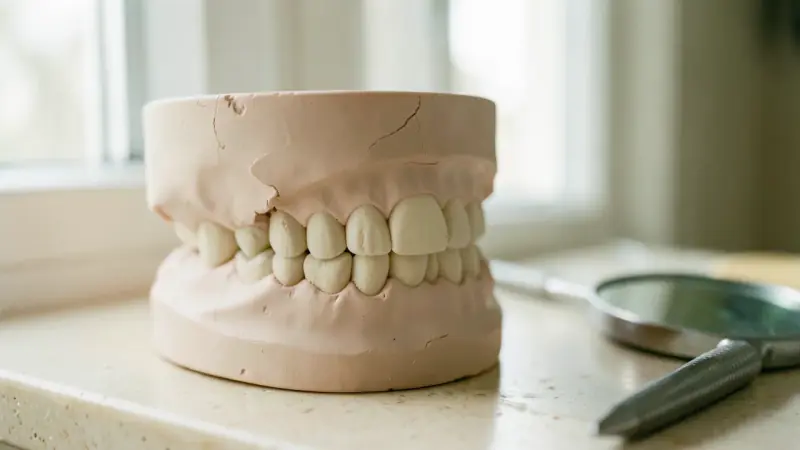
Veneers suit healthy teeth that are worn, chipped, uneven, spaced, or stained beyond what whitening can reach. They are not the first answer for crooked teeth, active decay or gum disease. Heavy grinding or a deep overbite can also make veneers a poor choice.
How the visits run
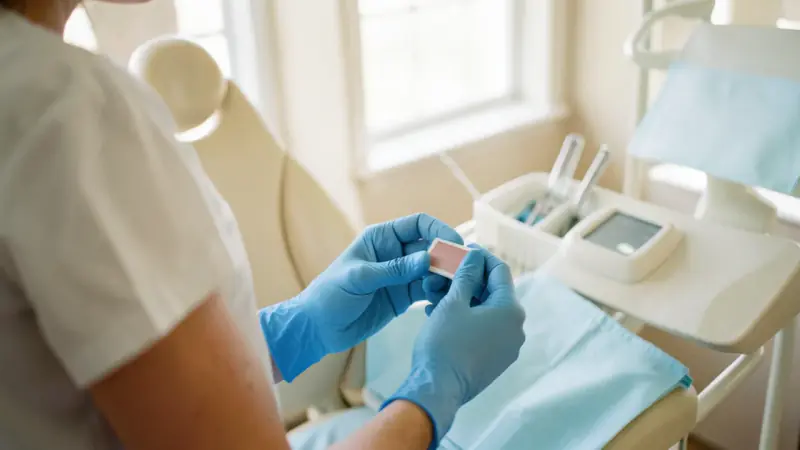
Consultation. Photos, a scan and a talk about what you want to change.
Trial smile. A resin mock-up goes over your teeth so you can see and approve the shape.
Preparation. Most veneers need a thin layer of enamel removed. You leave with temporaries shaped like the trial.
Fitting. The veneers are checked with you in daylight, then bonded.
Caring for veneers
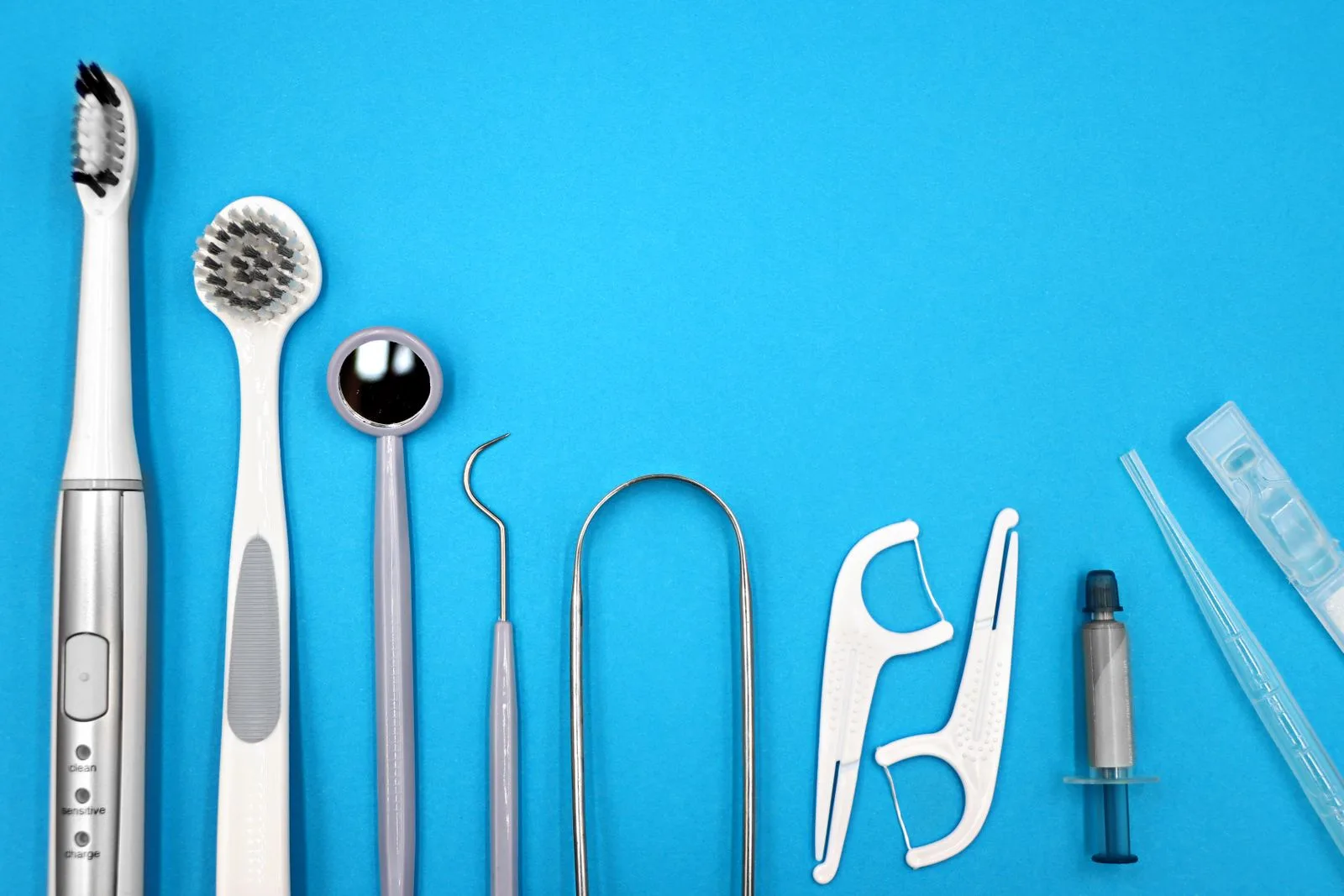
Brush and floss as usual. Heavy grinding or a deep overbite can make veneers a poor choice, so we check for both first. If you grind your teeth at night, a night guard protects the porcelain. Veneers can chip and may need replacing one day.
Questions about porcelain veneers
Do veneers damage my teeth?
Most porcelain veneers need a thin layer of enamel removed, and that enamel does not grow back. Some cases need less. Dr. Teague shows you how much your plan needs before you decide.
Should I choose veneers or bonding?
Bonding shapes tooth-colored resin on the tooth, usually in one visit, with little or no enamel removed. It costs less and suits small chips. Porcelain holds its color longer.
Does insurance pay for veneers?
Most plans do not pay for veneers placed for looks alone. When a veneer repairs a broken tooth, some plans pay part. We check your plan and put the numbers in writing.
Reviewed by Dr. Marguerite Teague, DMD, October 7, 2026